
Cannabidiol, commonly known as CBD, is a cannabinoid—a naturally occurring compound found in cannabis plants. Unlike THC (tetrahydrocannabinol), which causes the psychoactive effects or “high” in marijuana, CBD is non-intoxicating and does not produce any euphoric effects.
CBD is being studied for a growing list of health benefits, and early research along with user reports suggest it has therapeutic value for both physical and mental conditions.
Common Conditions CBD May Help With:
- Epilepsy and nerve disorders
- Pain (chronic and acute)
- Inflammation
- Nausea
- Migraines
- Depression
- Anxiety and PTSD
- Crohn’s disease and digestive issues
- Multiple sclerosis (MS)
- Alcohol and opioid withdrawal symptoms
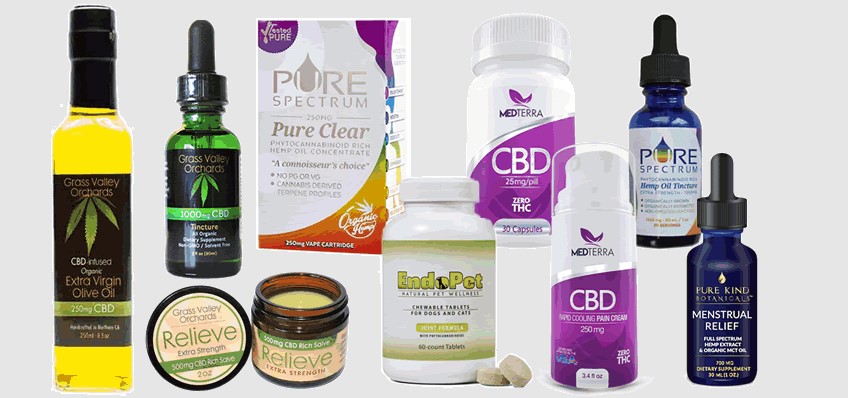
CBD is commonly available as oils, capsules, edibles, topical creams, and vaporized liquids. It’s widely used by people seeking natural alternatives to pharmaceutical drugs.
What’s the Difference Between CBD and THC?
CBD and THC are the two most well-known cannabinoids found in cannabis. Both interact with the body’s endocannabinoid system, but they do so in different ways and produce different effects.
- THC is psychoactive and produces a “high”
- CBD is non-psychoactive and may actually reduce THC’s intoxicating effects
Cannabis plants contain both CBD and THC in varying amounts. However:
- High-THC strains are typically grown for recreational or medical marijuana use.
- Hemp refers to cannabis plants legally defined as having less than 0.3% THC. These are the primary source for CBD extraction because they’re non-intoxicating and usually legal to cultivate.
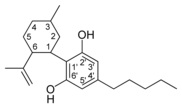
CBD vs. THC: Chemical Structure
CBD and THC have the same molecular formula—21 carbon atoms, 30 hydrogen atoms, and 2 oxygen atoms—but their atoms are arranged differently, giving each compound distinct effects on the body.
Both can interact with receptors in the brain and body:
- THC binds directly to CB1 receptors in the brain, causing euphoria and altered mental state.
- CBD does not bind strongly to CB1 receptors and may actually block or lessen THC’s effects.
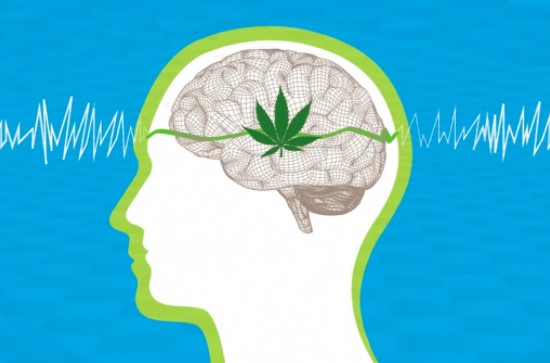
These receptors are part of the endocannabinoid system (ECS), which helps regulate:
- Pain
- Mood
- Immune function
- Appetite
- Sleep
- Stress response
CBD Can Help Balance THC
Some people experience anxiety, paranoia, or even temporary psychosis when consuming high doses of THC. This can overwhelm the brain’s cannabinoid receptors, especially in inexperienced or sensitive users.
CBD helps regulate how THC affects the brain, making it a calming counterpart. Products that include both compounds are often less psychoactive and safer than those with THC alone.
THC’s Medicinal Benefits
Although THC is psychoactive, it also has therapeutic value, especially in cases where CBD alone isn’t enough. Conditions where THC can be helpful include:
- Severe pain
- Nausea (especially during chemotherapy)
- Insomnia
- Appetite loss
- Muscle spasms
- Anxiety (for some users, in low doses)
- Glaucoma
Due to its strength, THC is best used in carefully measured amounts, often paired with CBD to reduce potential side effects.
Side Effects: CBD vs. THC
CBD is generally well-tolerated and safe, even in high doses. However, it may interact with certain medications, especially blood thinners. Common mild side effects may include:
- Fatigue
- Dry mouth
- Diarrhea
- Appetite changes
THC can cause more noticeable and sometimes unpleasant side effects, especially in large amounts:
- Rapid heart rate
- Low blood pressure
- Dizziness or fainting
- Slowed reaction time
- Short-term memory loss
- Dry mouth and red eyes
- Anxiety or paranoia in some users
Neither CBD nor THC is considered lethal, and fatal overdose is not a risk. However, frequent high-THC use—especially in adolescents—has been linked to potential long-term effects on brain development and mental health.
CBD Oil vs. THC Oil
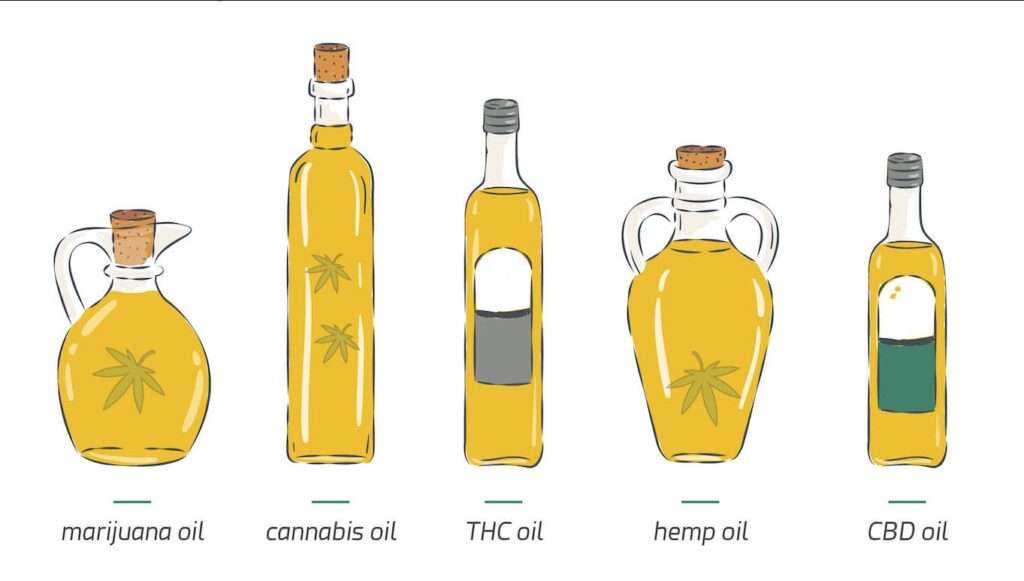
There are several cannabis-based oils, but they are not all the same:
- CBD oil is made from hemp and contains high levels of CBD with minimal or no THC. It’s non-intoxicating and widely used for therapeutic purposes.
- THC oil is a highly concentrated cannabis extract rich in THC. It causes intoxication and is often used for medical marijuana purposes or recreation.
- Hemp seed oil is different entirely—it comes from hemp seeds, contains no cannabinoids, and is used mainly in cooking or skincare.
CBD oil is often preferred by those who want the medicinal benefits of cannabis without getting high. This makes it a popular option for managing pain, stress, inflammation, and more—without the psychoactive effects of THC.
Final Thoughts
CBD is a promising natural remedy with a wide range of potential health benefits. It doesn’t cause intoxication, has few side effects, and may help manage conditions like pain, anxiety, inflammation, and seizures. While more clinical research is needed, early findings and user experiences support its effectiveness.
Always speak to a healthcare provider before starting CBD—especially if you’re on medication—to make sure it’s safe for your individual situation.
[…] CBD Content […]
[…] What is CBD? […]