
Cannabis cultivation has evolved dramatically over the past century. From early landrace varieties to the modern hybrid strains dominating the market today, understanding the concept of cultivar is crucial for growers, breeders, and consumers alike. This article will provide a comprehensive guide to cannabis cultivars, exploring what they are, their characteristics, how they are classified, and their significance in both recreational and medicinal cannabis use.
Table of Contents
- What is a Cultivar?
- History of the Cannabis Cultivar
- How a Cannabis Cultivar Differs from Strains
- Key Characteristics of a Cannabis Cultivar
- Types of Cannabis Cultivars
- How a Cultivar is Developed
- The Role of Genetics and Phenotypes
- Popular Cannabis Cultivars
- Cannabis Cultivar Selection for Growers
- Cannabis Cultivar Chart
- Conclusion
What is a Cultivar?
A cultivar is a plant variety that has been deliberately selected and cultivated for specific traits, such as yield, cannabinoid content, flavor, aroma, or resistance to pests. The term comes from the combination of cultivated + variety.
In cannabis, a cultivar is often used interchangeably with “strain,” but there are technical distinctions. A true cultivar is stable and reproducible, meaning that plants grown from seeds or clones of that cultivar consistently display the desired traits.
Key points:
- Cultivars are carefully bred for specific characteristics.
- They ensure consistency in growth, cannabinoid content, and effects.
- Cannabis cultivars can be either landrace, hybrid, or stabilized varieties.
History of the Cannabis Cultivar
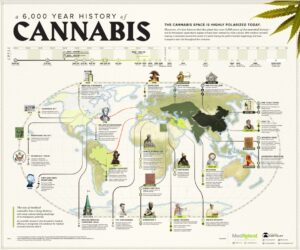
Cannabis has been cultivated by humans for thousands of years, initially for fiber, food, and medicinal purposes. Early cannabis plants were landrace varieties, native to specific regions. For example:
- Afghani (Afghanistan) – robust indica, resin-rich, suited for hash.
- Thai (Thailand) – tropical sativa, energetic and uplifting effects.
- Durban Poison (South Africa) – pure sativa, noted for clarity and focus.
With the rise of modern horticulture and indoor growing, breeders began crossbreeding these landraces to create hybrid cultivars that combined desired traits from multiple sources.
Timeline:
- Pre-20th century – Cannabis mainly grown as landraces.
- 1960s-1980s – Introduction of hybrid breeding, mostly in the Netherlands and North America.
- 1990s-present – Commercial cultivars developed with high THC, CBD ratios, and specific terpene profiles.
How a Cannabis Cultivar Differs from Strains
The terms strain and cultivar are often used interchangeably in the cannabis world, but they are technically different.
| Feature | Strain | Cultivar |
|---|---|---|
| Definition | Informal term for a cannabis variety | Officially bred and stabilized variety |
| Stability | May vary from plant to plant | Genetically consistent and predictable |
| Use in Science | Rarely precise | Used in horticulture and research |
| Origin | Can be landrace or hybrid | Usually hybrid with selected traits |
While the term strain is popular in dispensaries and marketing, breeders prefer cultivar to denote consistent and reproducible genetics.
Key Characteristics of a Cannabis Cultivar
Cannabis cultivars are selected based on traits that are important for growers, consumers, and the industry. Some of the main characteristics include:
- Cannabinoid Profile: THC, CBD, CBG levels.
- Terpene Profile: Aromas and flavors like citrus, pine, or skunk.
- Growth Traits: Height, flowering time, yield, and resistance to disease.
- Effect Profile: Uplifting, relaxing, pain-relieving, or sedative effects.
- Adaptability: Indoor vs. outdoor growth suitability.
A cultivar that performs well in one environment might fail in another, which is why breeders often release region-specific cultivars.
Types of Cannabis Cultivars
Cannabis cultivars generally fall into three categories:
1. Landrace Cannabis Cultivars
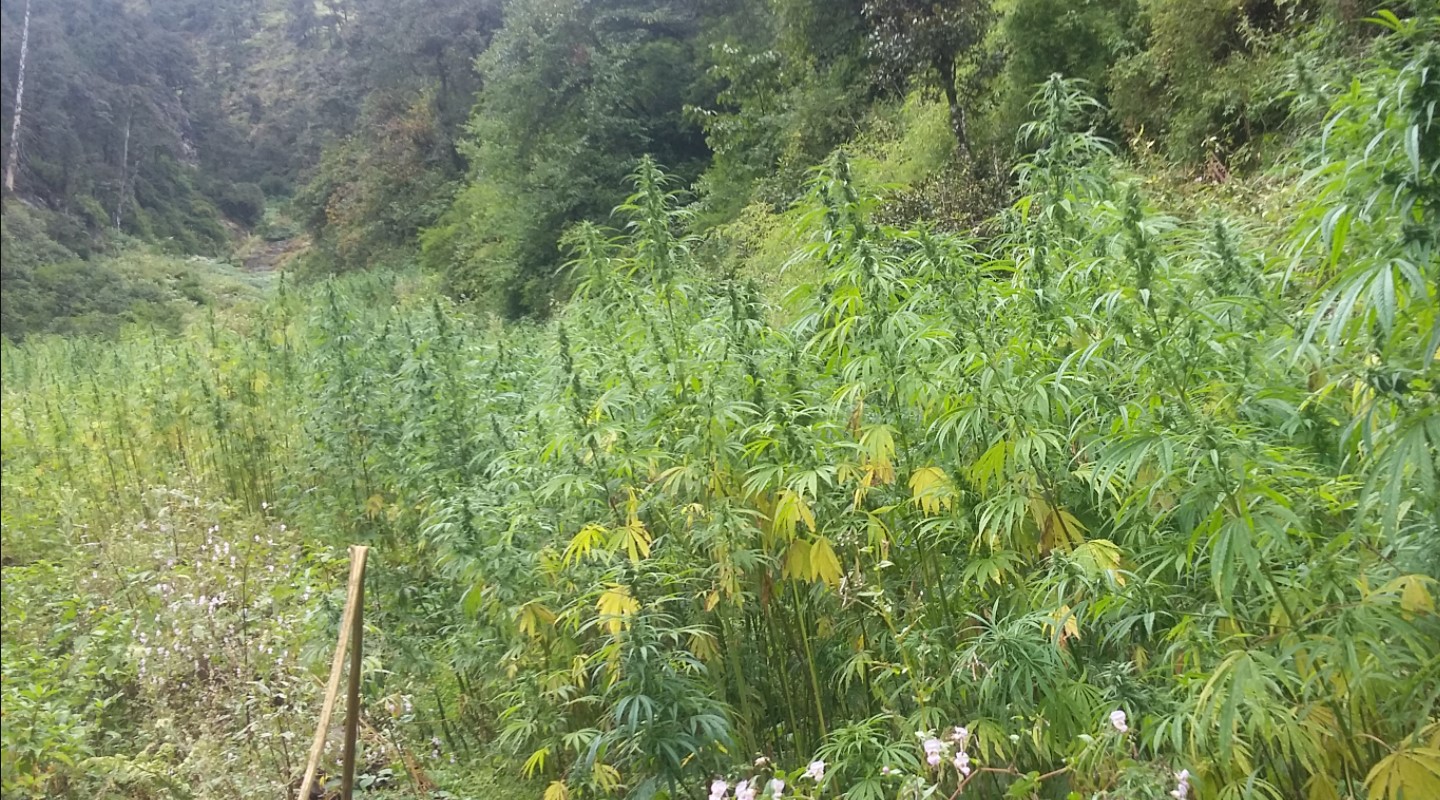
Native to a specific geographic area, landrace cultivars have adapted over centuries to their environment. Examples:
- Afghani – Indica-dominant, compact, and resinous.
- Lamb’s Bread (Jamaica) – Sativa-dominant, uplifting effects.
2. Hybrid Cultivars
Created by crossbreeding landrace or other hybrid cultivars to combine desired traits.
- Example: Blue Dream – cross of Blueberry and Haze, balanced sativa-indica effects.
3. Stabilized Cultivars
Through selective breeding, cultivars can be stabilized to consistently express desired traits across generations.
- Example: Charlotte’s Web – high CBD, consistent chemical profile.
How a Cultivar is Developed
Creating a cannabis cultivar involves careful selection and breeding techniques:
- Parent Selection: Choose plants with desired traits.
- Crossbreeding: Combine genetic material of parents to produce offspring.
- Phenotype Selection: Grow multiple plants from seeds and select the best performers.
- Stabilization: Repeatedly breed selected plants over multiple generations to fix traits.
- Testing: Analyze cannabinoid and terpene profiles to ensure consistency.
Modern cultivators also use cloning to propagate cultivars, guaranteeing identical plants without relying solely on seed genetics.
The Role of Genetics and Phenotypes
Understanding genetics and phenotype expression is key to breeding cannabis cultivars.
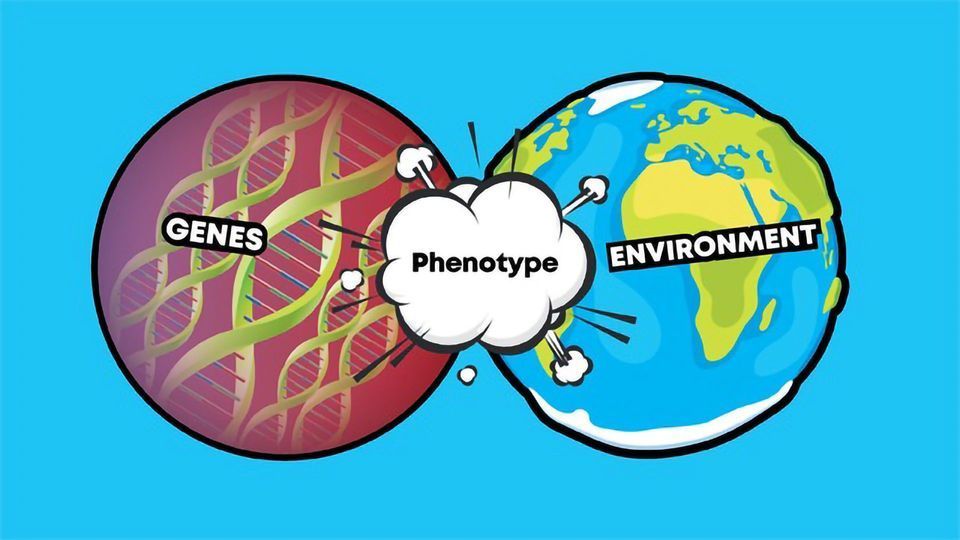
- Genotype: The genetic makeup of a plant (inherited from parents).
- Phenotype: Observable traits influenced by genetics and environment.
Even if two plants share the same genotype, their phenotypes may differ depending on light, nutrients, and environment. Cultivar development aims to create genotypes that reliably produce the desired phenotypes under typical growing conditions.
Popular Cannabis Cultivars
Here are some notable cultivars known for their unique traits:
- Blue Dream – Balanced hybrid, high THC, sweet berry aroma.
- OG Kush – Indica-dominant, heavy resin, classic earthy-pine aroma.
- Girl Scout Cookies (GSC) – Hybrid, high THC, dessert-like terpene profile.
- Charlotte’s Web – High CBD, low THC, medicinal uses.
- Sour Diesel – Sativa-dominant, energizing, pungent diesel aroma.
Cannabis Cultivar Selection for Growers
Choosing the right cultivar depends on multiple factors:
- Climate: Outdoor vs. indoor suitability.
- Purpose: Recreational vs. medicinal use.
- Yield Goals: High-yield vs. small-batch premium quality.
- Cannabinoid Needs: THC-dominant, CBD-dominant, or balanced.
- Experience Level: Some cultivars are more forgiving and easier to grow.
Growers often experiment with multiple cultivars before deciding which works best for their environment and target market.
Cannabis Cultivar Chart
Here’s a chart summarizing popular cannabis cultivars, their dominant type, typical effects, and cannabinoid content:
| Cultivar Name | Type | Dominant Effect | THC % | CBD % | Flowering Time | Flavor / Aroma |
|---|---|---|---|---|---|---|
| Blue Dream | Hybrid | Balanced / Relaxing | 17-24% | 0.1-0.3% | 9-10 weeks | Berry, Sweet |
| OG Kush | Indica-dominant | Relaxing / Euphoric | 20-26% | 0.2% | 8-9 weeks | Earthy, Pine |
| Girl Scout Cookies | Hybrid | Euphoric / Happy | 18-28% | 0.1% | 9-10 weeks | Sweet, Dessert-like |
| Charlotte’s Web | High-CBD | Medicinal / Calm | 0.3-1% | 15-20% | 8-9 weeks | Earthy, Herbal |
| Sour Diesel | Sativa-dominant | Energizing / Uplifting | 20-25% | 0.1-0.3% | 10-12 weeks | Diesel, Pungent |
This chart can serve as a quick reference for growers, consumers, or anyone looking to understand the diversity of cannabis cultivars.
Conclusion
Cannabis cultivars are the backbone of modern cannabis cultivation. Understanding their genetics, traits, and stability is essential for growers seeking consistency, consumers wanting predictable effects, and researchers exploring medicinal potential. From ancient landrace varieties to cutting-edge hybrid cultivars, the diversity of cannabis cultivars continues to grow, offering endless possibilities for both innovation and enjoyment.
By choosing the right cultivar, growers can optimize yields, enhance flavor and aroma, and provide consistent cannabinoid profiles for both recreational and medicinal use. Whether you are a novice grower or a seasoned cultivator, knowledge of cannabis cultivars is your gateway to success in the evolving cannabis landscape.